BIM & digital delivery

Coordination & delivery

Federated coordination, clash detection, design validation, 4D planning, 5D cost intelligence, constructibility and site logistics — issues resolved in the model, not on site.

Home  /  Coordination & Delivery
BIM and digital delivery

Issues resolved in the model, not on site.

Discipline models are combined in one controlled environment, then coordinated and validated, so teams reach site with conflicts closed, sequence tested and cost movement visible.

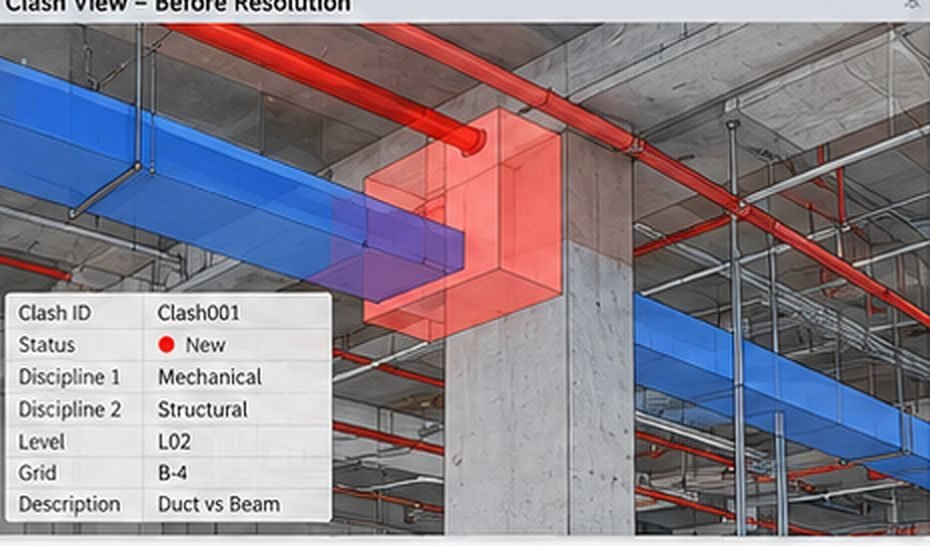
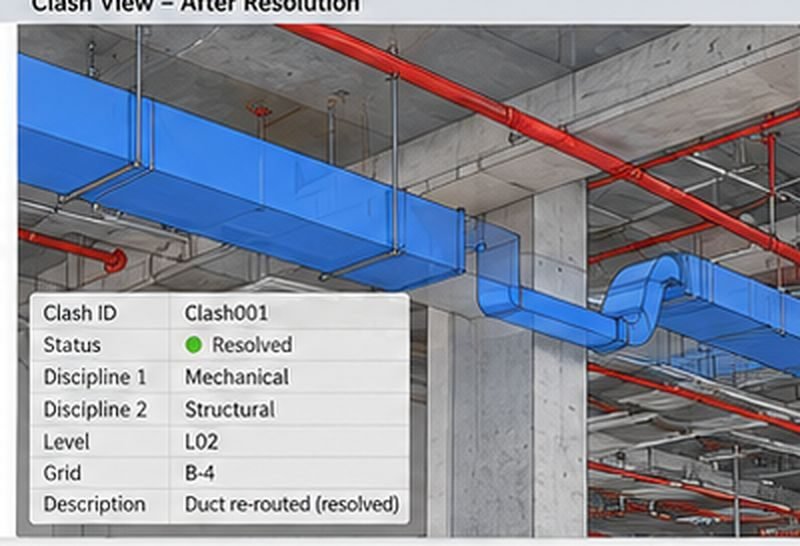
4step clash workflow: detect, assign, resolve, verify
8validation checks before each formal model issue
Work with us
Federated BIM
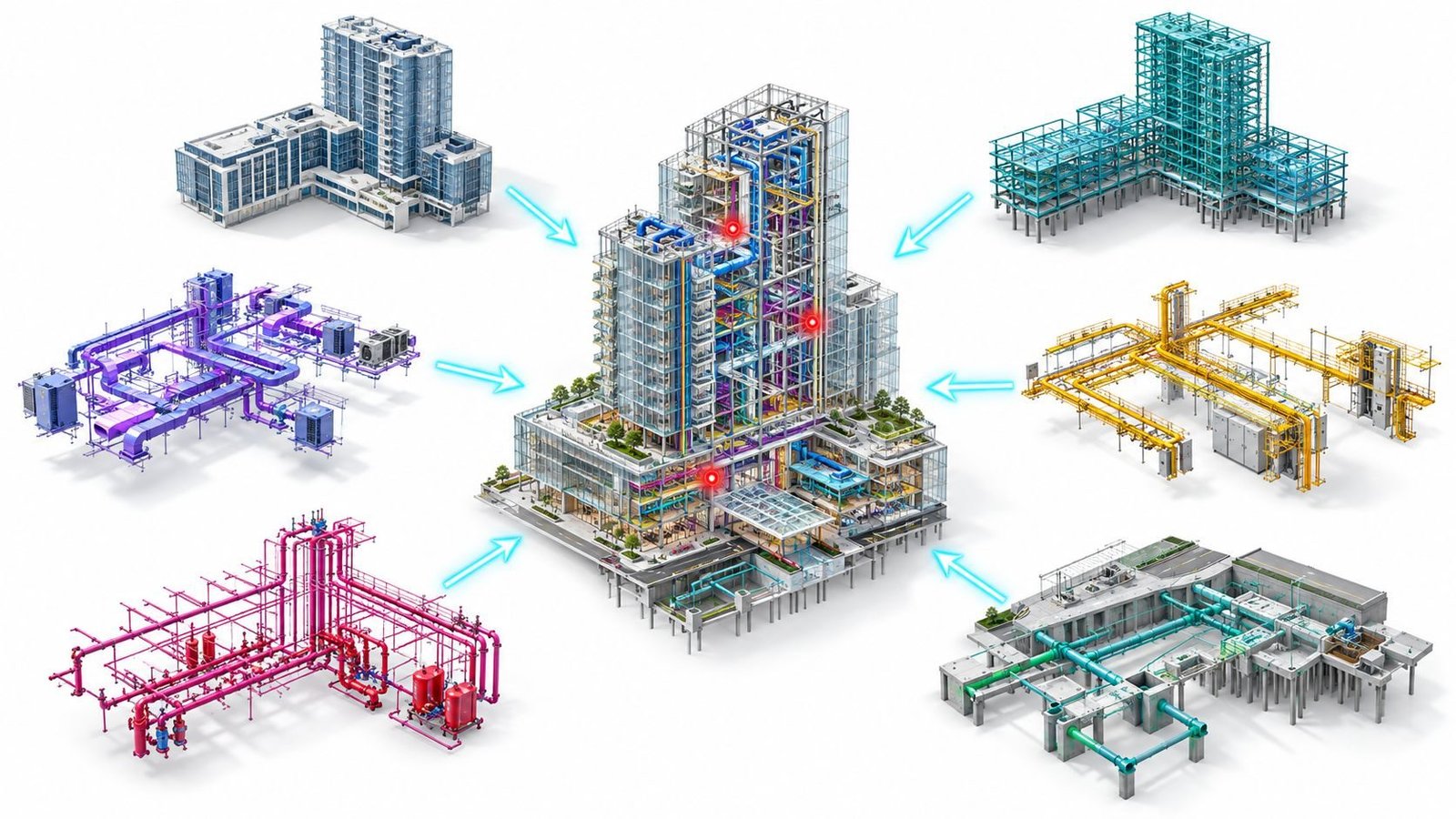
Federated BIM coordination

One controlled environment

Discipline models — architecture, structure, electrical, mechanical / HVAC, plumbing & fire, civil / drainage — combined within one controlled coordination environment.

  • 01Federated model — architecture, structure and MEPF aligned to shared coordinates.
  • 02Clash test matrix — hard, clearance, duplicate and access checks by zone and system.
  • 03Coordination register — viewpoints, screenshots, status, priority and responsible party.
  • 04Verified closure — re-test after revisions and record approval before issue for construction.
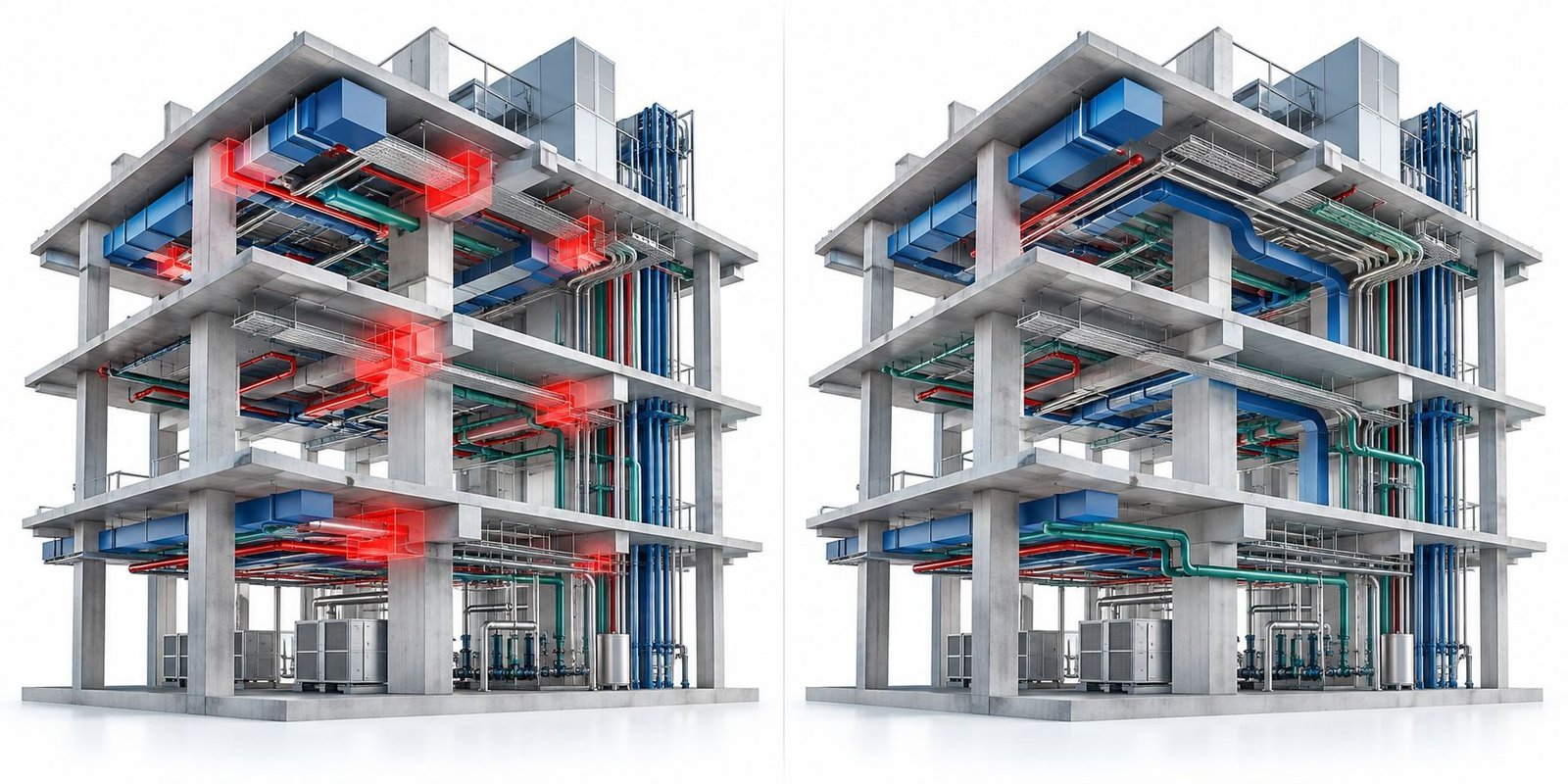
Clash detection & resolution

Detect. Assign. Resolve. Verify.

Model-based coordination identifies conflicts early, assigns action and records verified closure. Deliverables: clash test matrix, viewpoints, coordination register, status report and verified closure record.

01

Detect

Run discipline and system tests by zone against the agreed clash matrix.

02

Assign

Create a viewpoint, state priority and assign a responsible party and due date.

03

Resolve

Teams revise the source model and return the issue through the controlled workflow.

04

Verify

Re-test the federated model, record approval and close only after confirmation.

Design validation & model QA/QC

A controlled validation gate

Geometry, information and issue status are checked before each formal model issue. Output: verified model set, QA report, issue register and approval evidence.

01

Coordinates

Survey origin, shared coordinates, levels and rotation.

02

Model health

Warnings, file size, links, unused content and corruption risk.

03

Naming & classification

Files, containers, zones, systems, types and objects.

04

Information need

Required geometry, properties, documents, status and responsibility.

05

Design consistency

Plans, sections, schedules and models agree across disciplines.

06

Constructability

Access, tolerances, interfaces, sequence and maintenance space.

07

Issue control

Open issues, priorities, ownership, due dates and acceptance evidence.

08

Health & safety record

Completed checks, exceptions, approvals, issue suitability and fire checks.

Checks and tolerances are defined in the BEP, responsibility matrix and project information requirements.

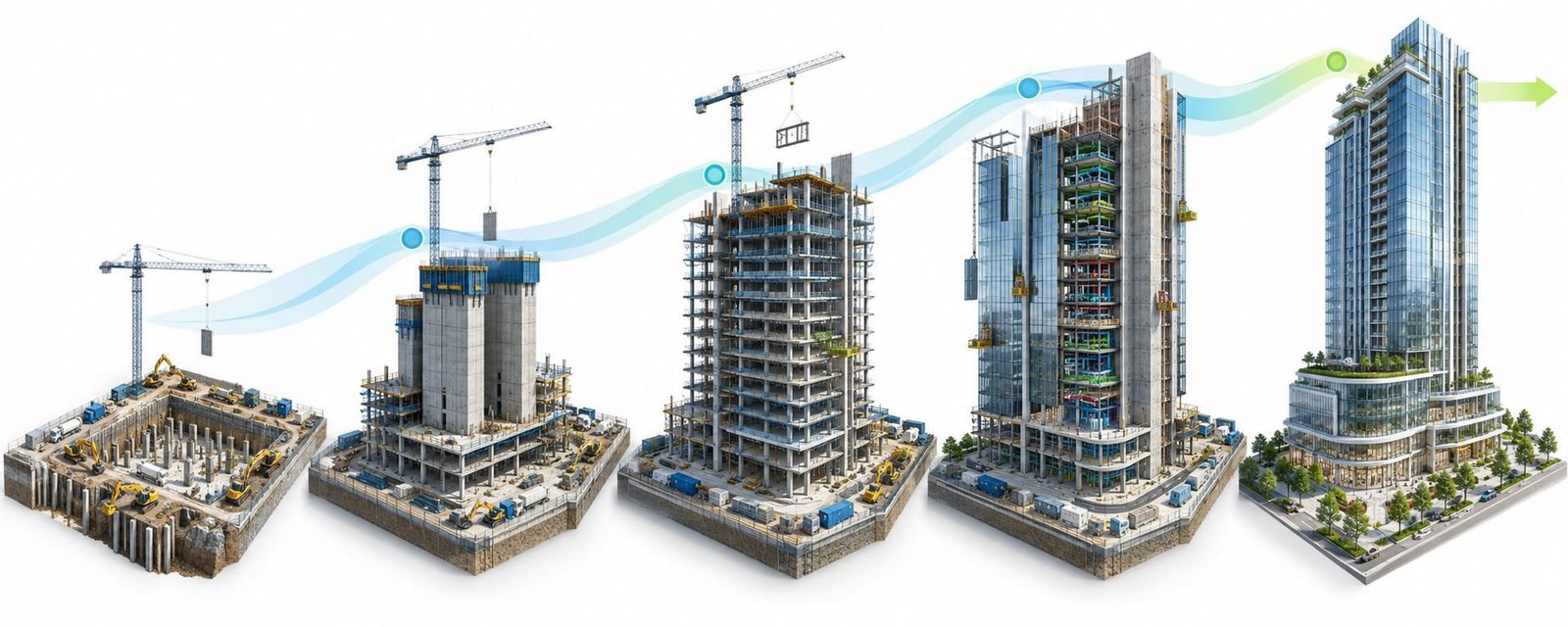
4D planning sequence
4D construction planning

Test the sequence visually

The coordinated model links to programme activities so teams can test sequence, logistics and progress visually — sequencing, site logistics, progress status, scenario testing and delay review.

01

Foundations

02

Core & frame

03

Structure

04

Envelope & MEP

05

Commissioning

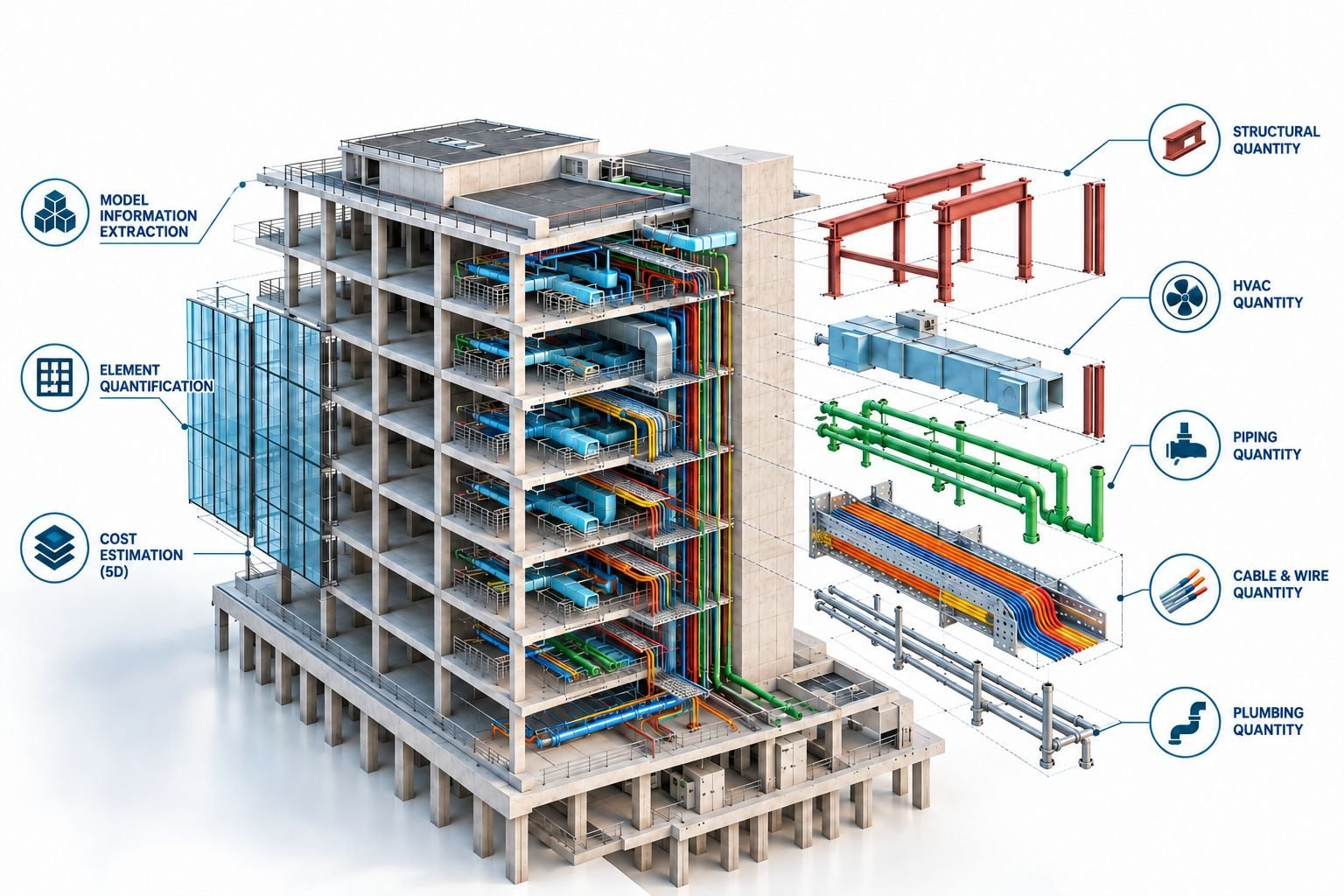
5D cost intelligence
5D cost & quantity intelligence

Design change, costed instantly

Model quantities connect design change to cost planning, package comparison and forecast updates.

  • 01 ObjectsClassified components with agreed measurement rules.
  • 02 QuantitiesTraceable take-off by zone, system, type and package.
  • 03 Cost planRates, allowances and package structure applied by the cost team.
  • 04 ChangeRevisions compared so quantity and cost movement remains visible.
  • 05 ForecastApproved changes feed the current estimate and reporting baseline.
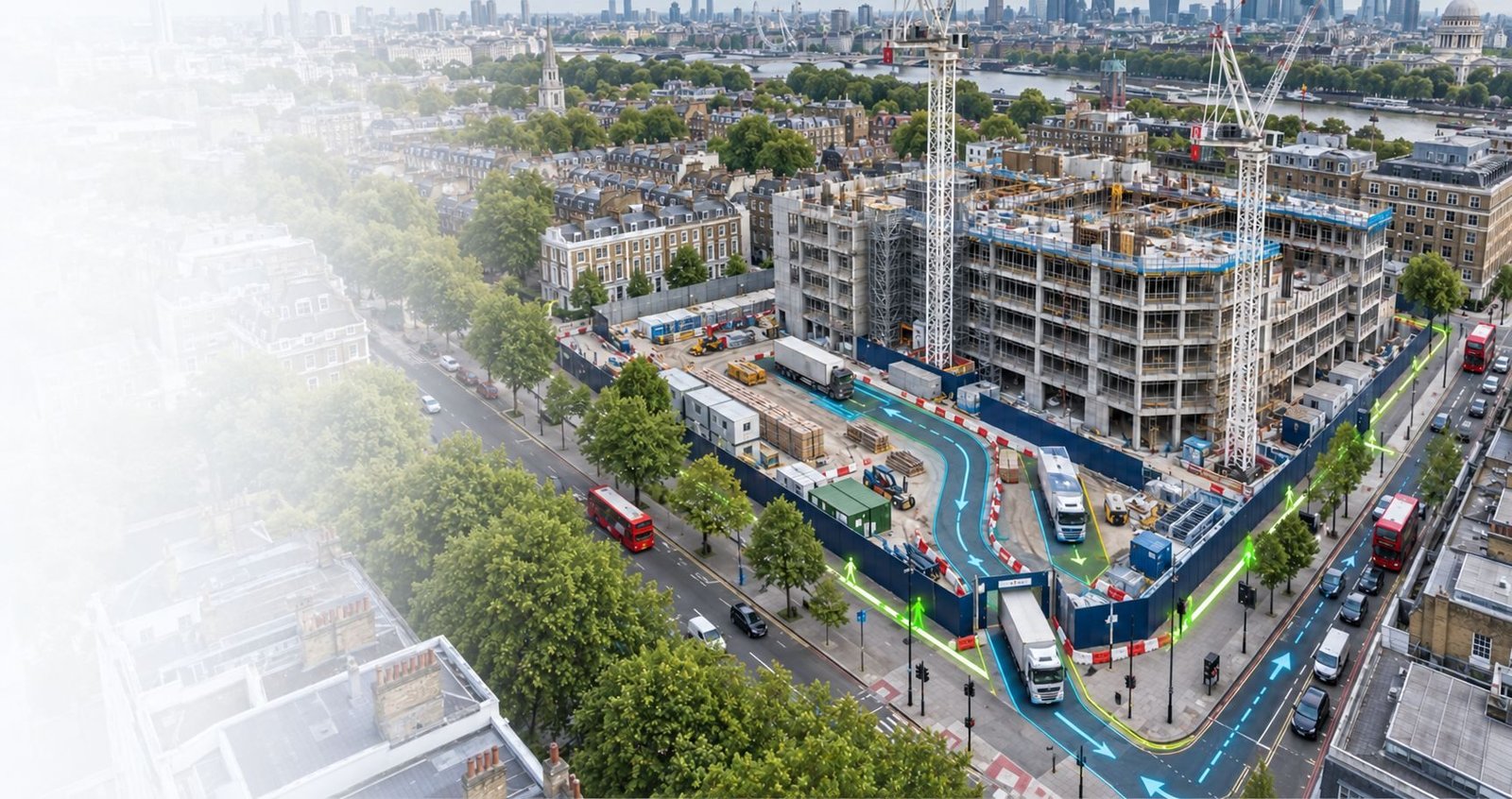
Construction in a city street
Constructibility analysis

Four questions before construction

  • Safely?Can it be built safely? Review lifting, working space, temporary stability and method constraints.
  • Accessed?Can it be accessed? Protect installation, inspection, replacement and escape clearances.
  • Maintained?Can it be maintained? Test plant removal routes, service zones and safe operational access.
  • In sequence?Can it be installed in sequence? Check interfaces, tolerances, access routes and predecessor activities.
Site logistics plan
Construction logistics & site planning

Every phase, planned

A coordinated site model tests access, movement, temporary facilities, lifting and safety zones through each phase.

01

Access & egress

Delivery gates, vehicle routes, turning and emergency access.

02

Cranes & lifting

Crane reach, exclusion zones, hoists and lifting interfaces.

03

Material flow

Lay-down, storage, unloading, vertical distribution and waste routes.

04

People & safety

Pedestrian separation, temporary access and protected work zones.

05

Phasing

Logistics plan updated as the site and programme change.

Why choose us

Why choose Dayavanti Associates?

Conflicts found early

Model-based coordination identifies conflicts early and assigns action.

Verified closure

Issues close only after re-testing and recorded approval.

Visual planning

Teams test sequence, logistics and progress visually.

Visible cost movement

Revisions are compared so quantity and cost changes stay visible.

Buildable designs

Design intent is tested against method, access and maintenance.

Safer sites

The site model tests access, lifting and protected work zones in each phase.

Our vision

Our vision for delivery

Before construction, we ask four questions: can it be built safely, can it be accessed, can it be maintained, and can it be installed in sequence?

Every coordinated model should reach site with its issues closed, its sequence tested and its cost movement visible.

FAQs

Frequently asked questions

What types of clash do you check?

Hard, clearance, duplicate and access checks, run by zone and system against an agreed clash matrix.

What are the coordination deliverables?

A clash test matrix, viewpoints, a coordination register, a status report and a verified closure record.

What does model validation check?

Coordinates, model health, naming and classification, information need, design consistency, constructability, issue control and health and safety records.

What is 4D planning?

The coordinated model links to programme activities, so teams can test sequencing, logistics, progress, scenarios and delays.

What is 5D cost intelligence?

Model quantities connect design change to cost planning, package comparison and forecast updates.

Where do tolerances come from?

Checks and tolerances are defined in the BEP, responsibility matrix and project information requirements.

How can I contact Dayavanti Associates?

Call +91 82099 53897 in India or +44 7769 380894 in the UK, or send an enquiry through our contact page. We work across India, London and the GCC.