BIM · Digital Twin · Smart Assets

Digital Twin

A living digital representation of a physical asset that connects BIM, asset information, live data and analytics to improve performance across the lifecycle.

Home  /  Digital Twin
Digital twin

From a static handover to a living asset.

Sensors, BMS and maintenance records connect to the model, so owners can monitor, predict and optimise instead of relying on static handover files.

7service scope areas, from BIM foundation to live intelligence
5step implementation roadmap, starting with essential data
Work with us
Simple explanation
BIM creates the digital asset. A Digital Twin connects the digital asset with the real asset and its operational data.

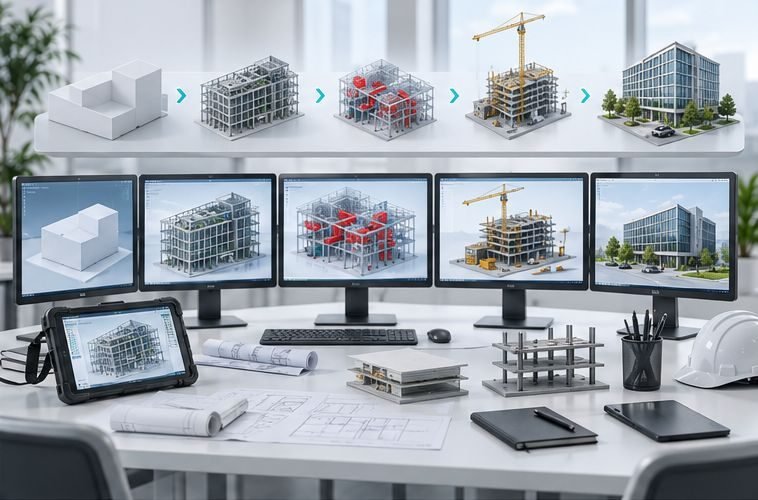
Design  ·  Simulate  ·  Build  ·  Operate  ·  Collect data  ·  Improve

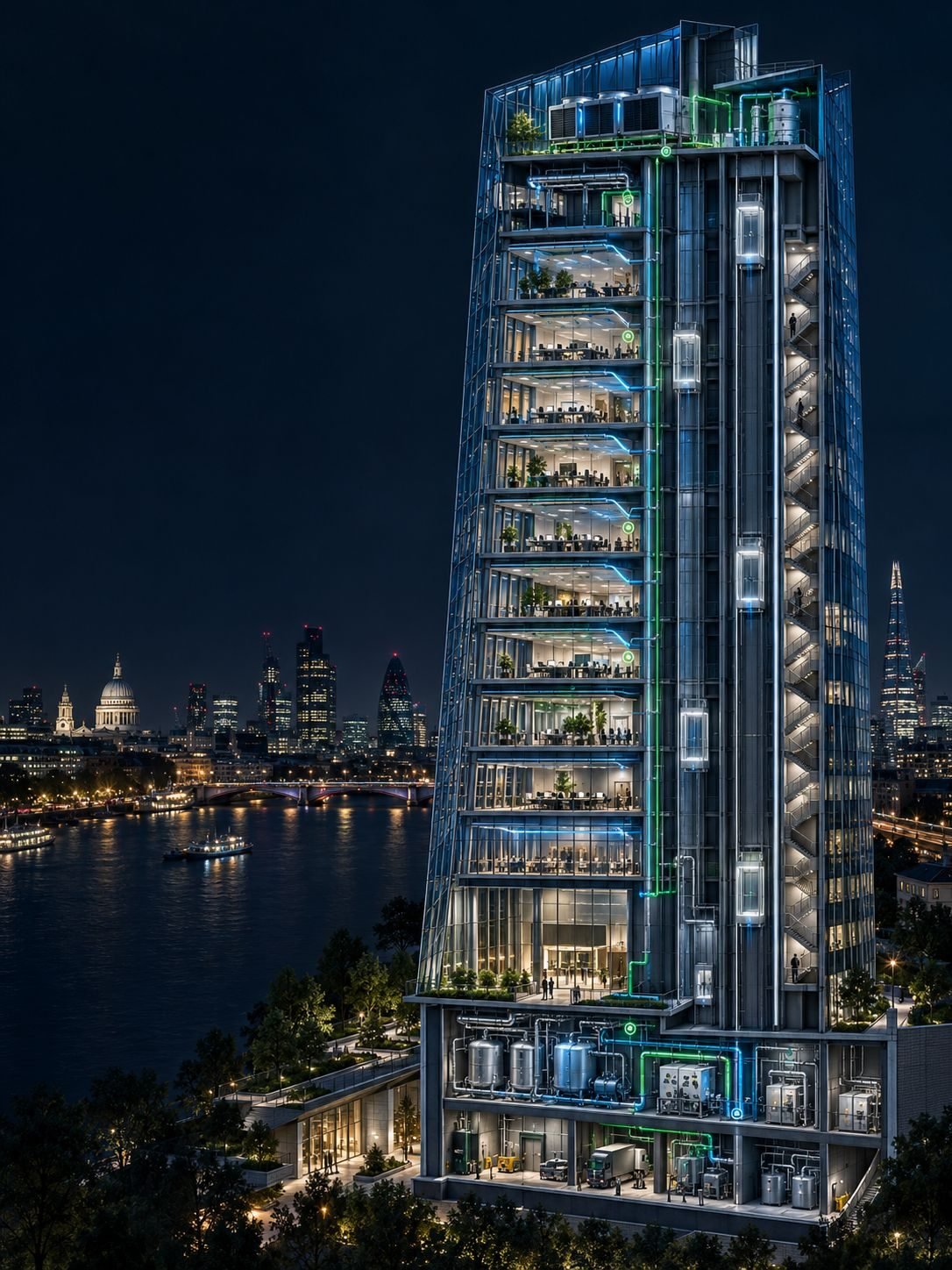
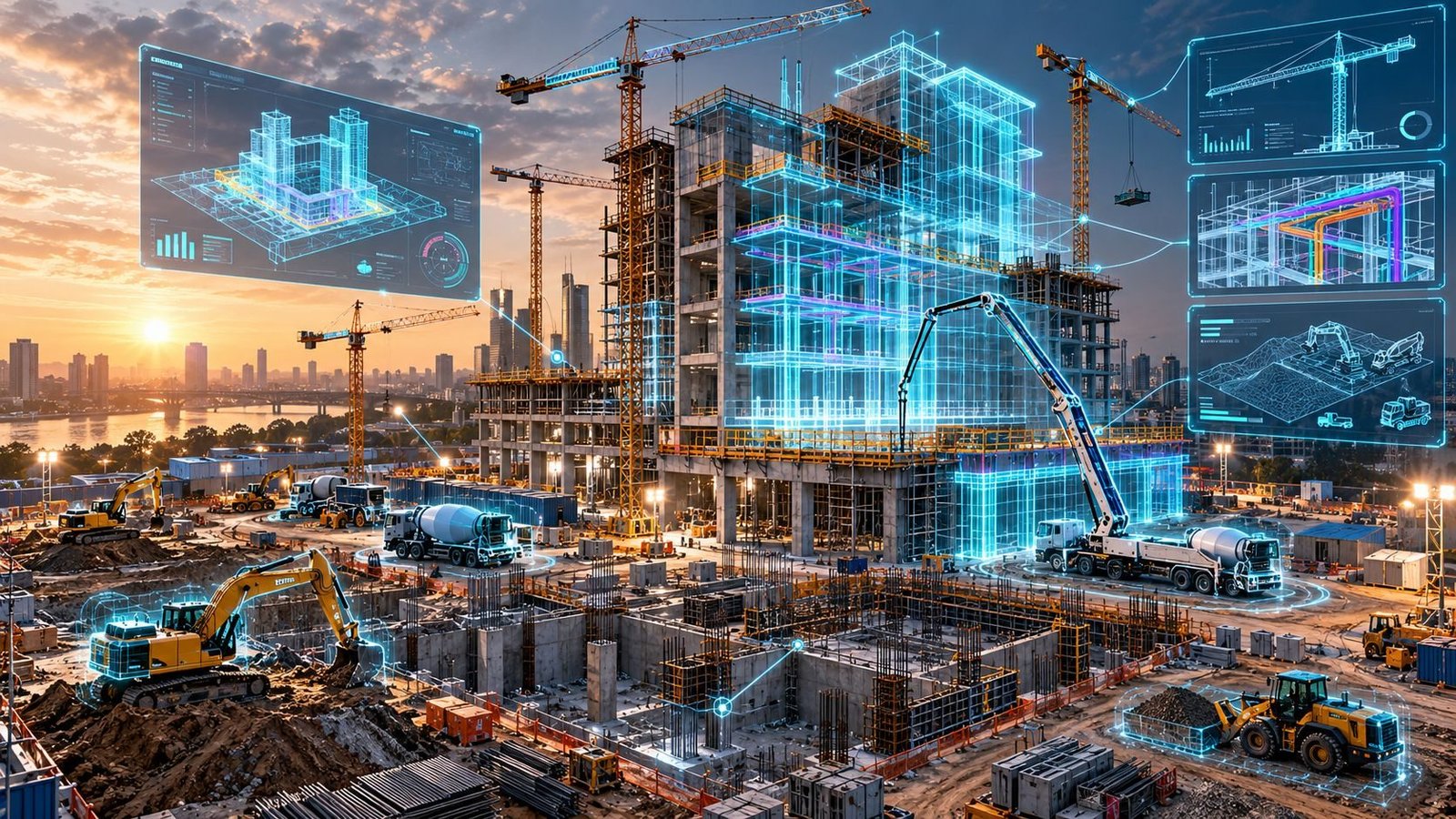
High-rise with mapped building systems
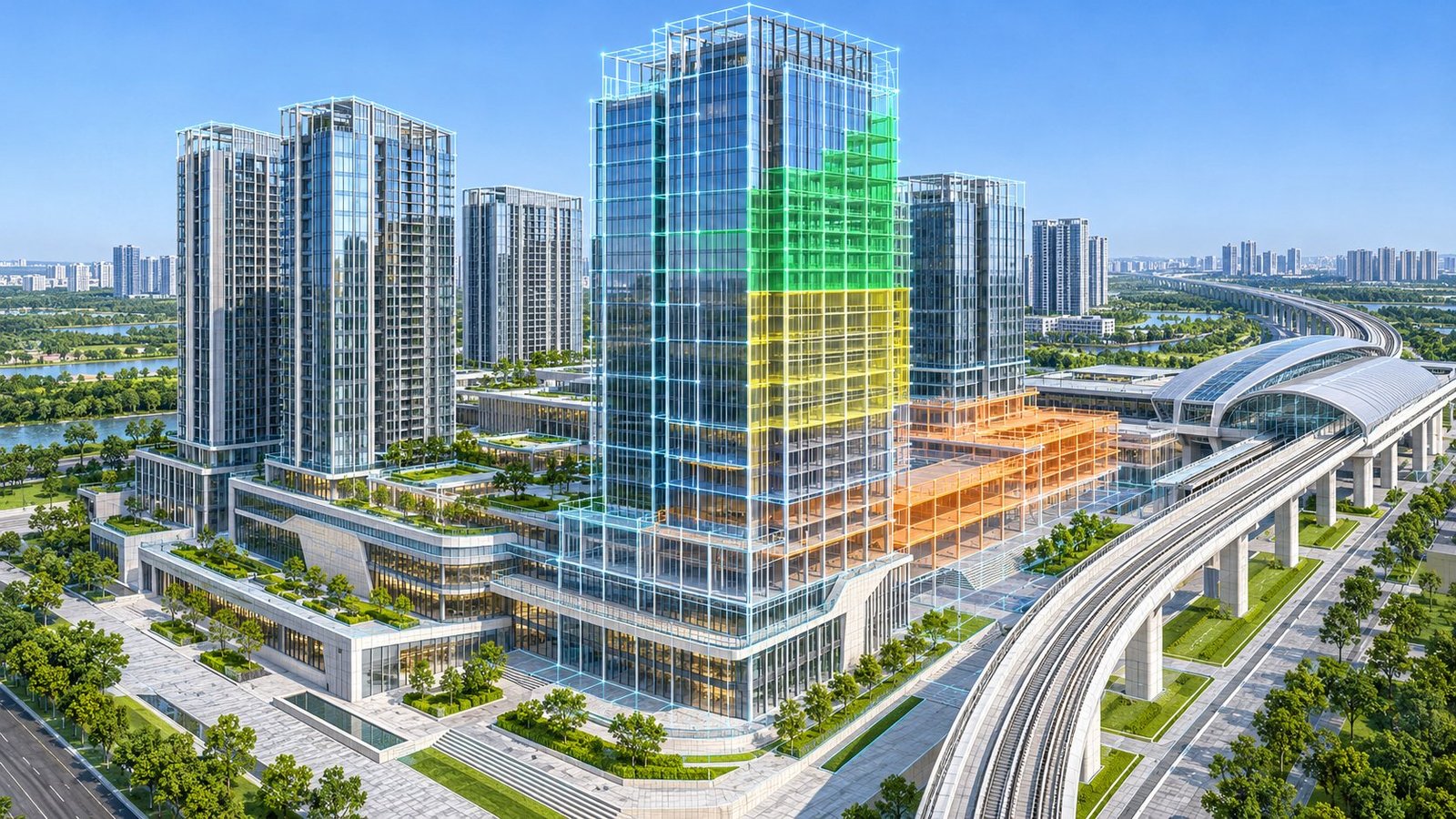
Digital twin for built assets

Five parts, one loop

  • 01 AssetBuilding, hospital, factory, road, bridge or city system.
  • 02 ModelBIM, engineering, GIS and asset model.
  • 03 DataSensors, IoT, BMS, meters, logs and maintenance records.
  • 04 AnalyticsMonitoring, simulation, prediction and optimisation.
  • 05 FeedbackLearn from real performance and improve decisions.
What we will provide

Digital twin service scope

A practical, client-ready scope from BIM foundation to live asset intelligence. Client output: a connected asset model + data structure + dashboards + implementation roadmap.

01

BIM & asset model creation

Architectural, structural and MEP model setup; asset tagging; room and equipment information.

02

Model federation & coordination

Federated model, clash review, issue logs, model QA and coordination reports.

03

CDE & information standards

Folder structure, naming, approvals, ISO 19650-aligned information management and handover data.

04

Digital twin setup

Autodesk Tandem / Bentley iTwin setup with asset hierarchy, spaces, systems and maintainable assets.

05

IoT / BMS integration planning

Sensor strategy, BMS data points, meters, HVAC, energy, security and operational data mapping.

06

Dashboards & decision support

Power BI / Grafana dashboards for energy, asset health, alarms, maintenance and KPIs.

07

Handover, training & roadmap

Owner training, O&M data structure and a phased roadmap from static twin to predictive operations.

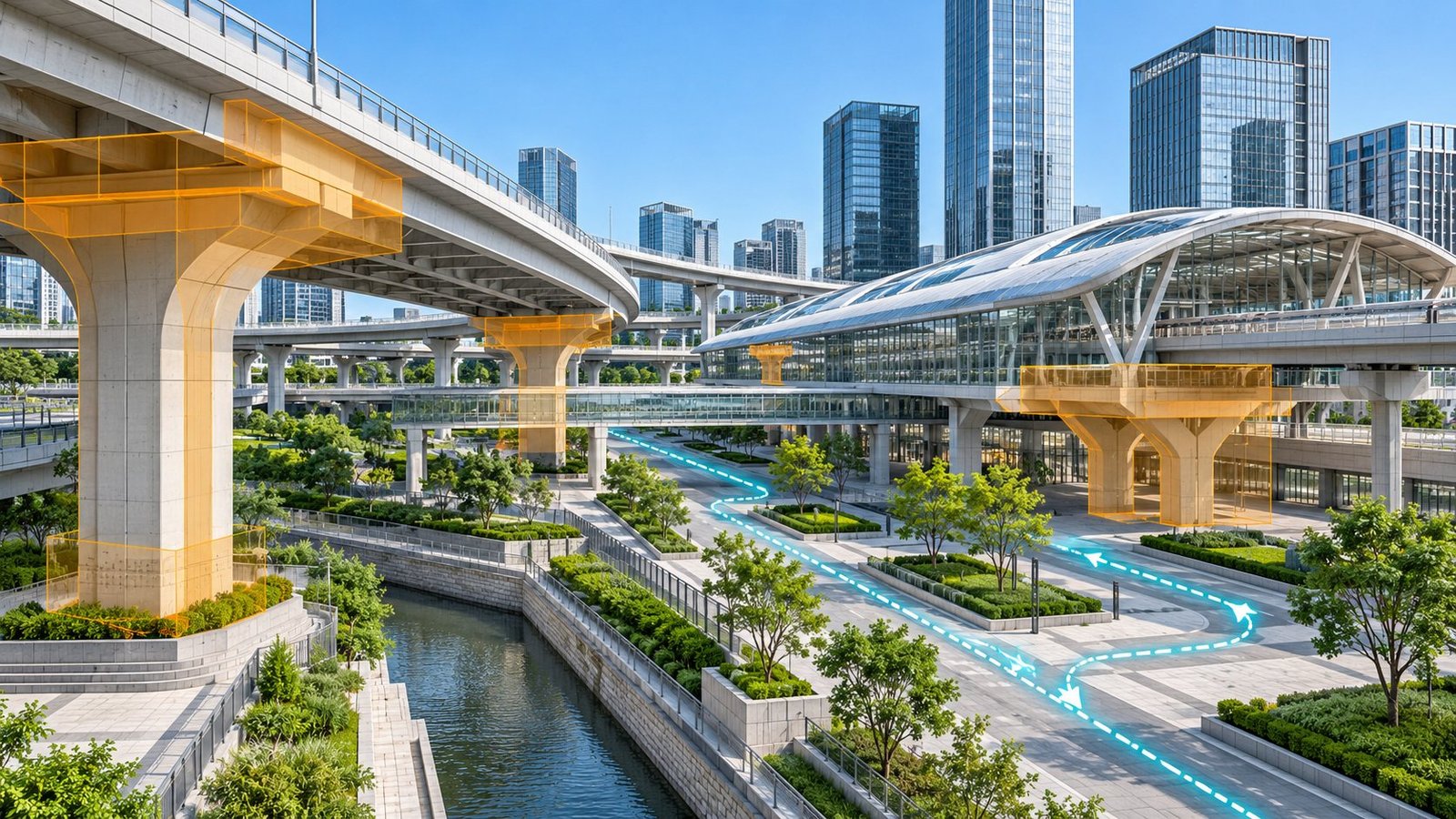
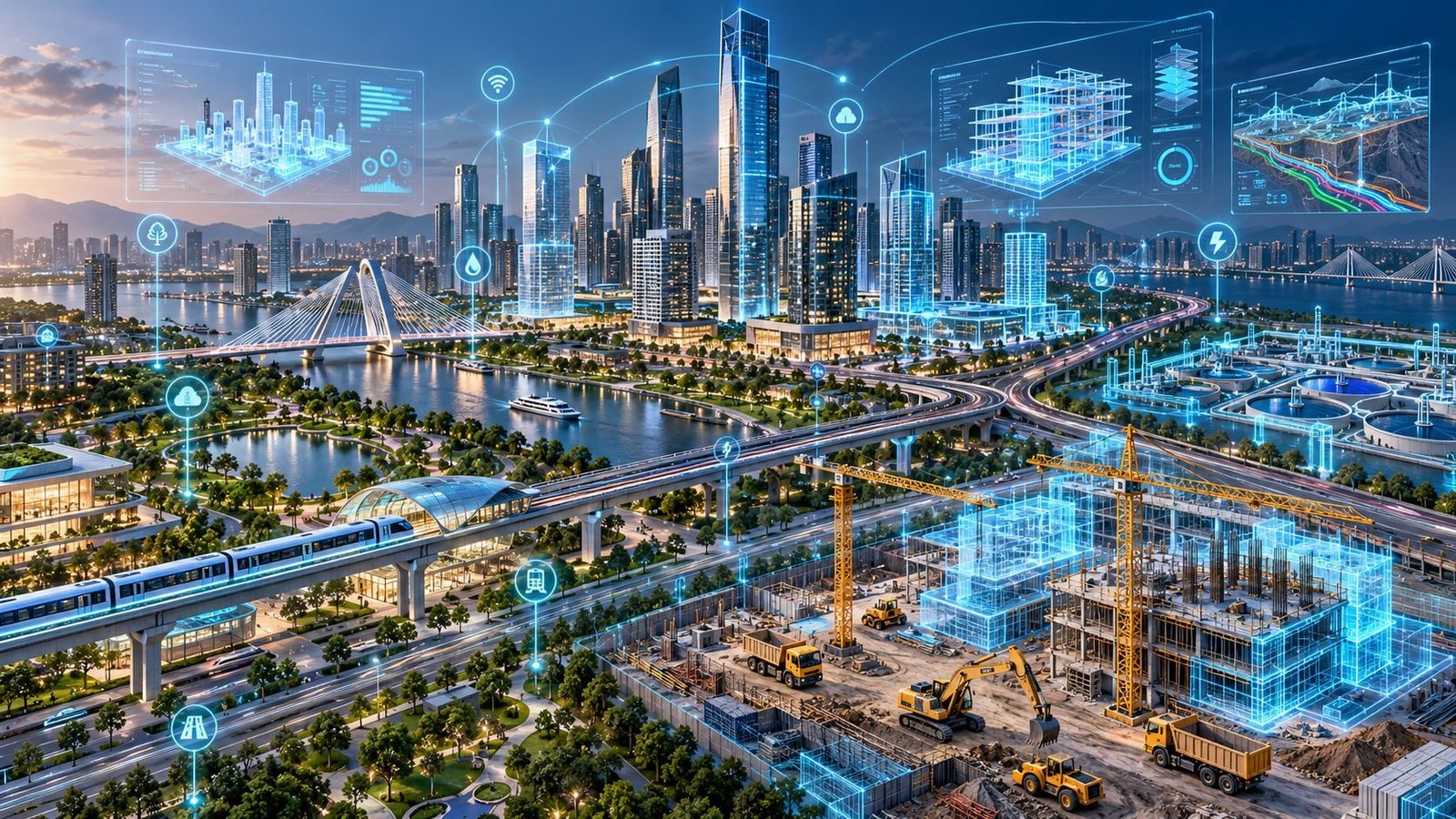
Integrated urban infrastructure
Client value

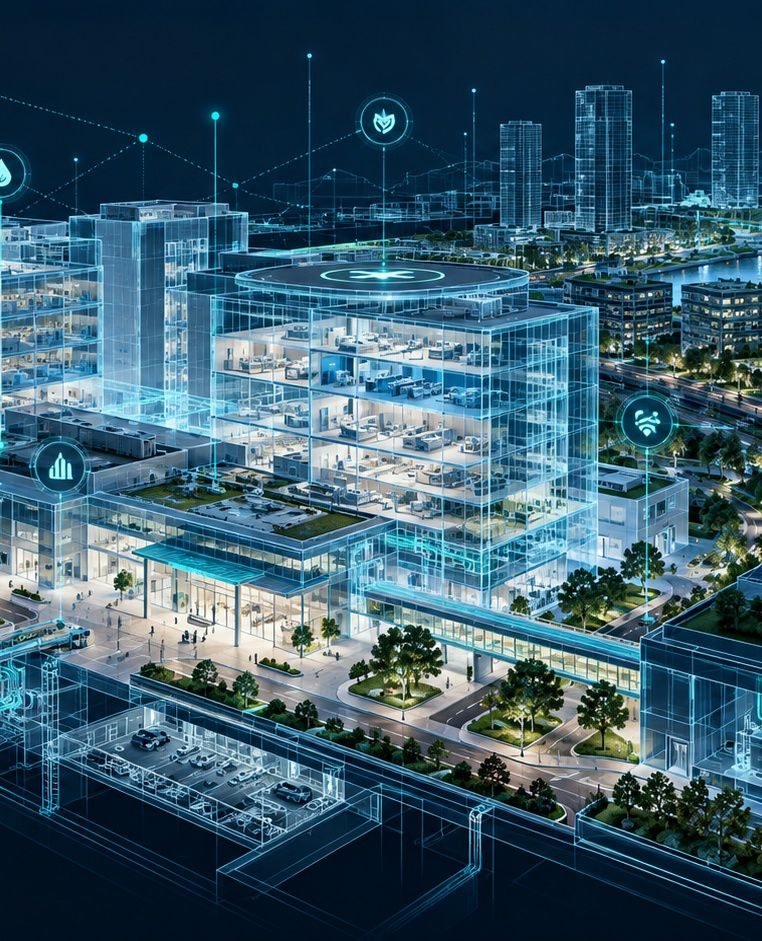
From BIM model to smarter operations

A phased approach lets clients start with essential asset data, then add sensors, analytics and predictive workflows over time.

  • HospitalsHVAC, critical equipment, room comfort, energy and maintenance.
  • CommercialEnergy, lifts, tenant experience and FM workflows.
  • IndustrialProduction, material flow, equipment health and safety.
  • InfrastructureRoads, bridges, utilities, transport and city-scale monitoring.
Business benefits

Why owners invest

01

Live visibility

Live operational visibility instead of static handover files.

02

Predictive maintenance

Predictive maintenance and fewer unplanned breakdowns.

03

Energy & ESG

Better energy performance and sustainability reporting.

04

Better handover

Improved handover from construction to operations.

05

Lifecycle decisions

Stronger lifecycle decision-making for owners and operators.

5-step implementation roadmap

Start simple, scale smart

01

Create BIM & asset model

The digital foundation of the asset.

02

Define asset data + CDE

Structured, ISO 19650-aligned information.

03

Set up twin platform

Tandem / iTwin environment and hierarchy.

04

Connect BMS / IoT data

Sensors, meters and operational feeds.

05

Monitor, predict & optimize

Dashboards, analytics and continuous improvement.

Team, software and deliverables

Who works on which software?

A digital twin is a connected ecosystem — not one software. Recommended starting team: BIM Manager + BIM Modelers + Twin Specialist + BMS / IoT partner + Data Analyst.

RoleTypical softwareWhat they deliver
Architect / BIM ModelerRevit, Archicad, OpenBuildingsArchitecture model, spaces, rooms, assets
Structural / MEP EngineersRevit, Tekla, discipline toolsStructure, HVAC, electrical, plumbing, fire data
BIM CoordinatorNavisworks, SolibriFederation, clashes, issue logs, model QA
Information ManagerACC / BIM 360, ProjectWise, CDENaming, approvals, version control, ISO 19650 process
Digital Twin SpecialistAutodesk Tandem, Bentley iTwinAsset hierarchy, model-data linking, twin environment
IoT / Integration EngineerAzure Digital Twins, AWS IoT TwinMakerSensors, APIs, data pipelines, operational feeds
BMS / Controls EngineerSiemens, Schneider, Honeywell, NiagaraHVAC, lighting, meters, alarms, plant systems
Data Analyst / FM TeamPower BI, Grafana, CMMS, dashboardsKPIs, asset health, maintenance and decision reports
BIM · Revit / OpenBuildingsCoordination · Navisworks / SolibriCDE · ACC / ProjectWiseTwin · Tandem / iTwinIoT · Azure / AWS / BMSAnalytics · Power BI / Grafana
Why choose us

Why choose Dayavanti Associates?

Live visibility

Live operational visibility instead of static handover files.

Predictive maintenance

Predictive maintenance and fewer unplanned breakdowns.

Energy and reporting

Better energy performance and sustainability reporting.

Better handover

Improved handover from construction to operations.

Lifecycle decisions

Stronger decision-making for owners and operators.

Phased adoption

Start with essential asset data, then add sensors and analytics over time.

Our vision

Our vision for smart assets

A digital twin is a connected ecosystem, not one software. Each specialist contributes a specific part of the asset intelligence chain.

Design, simulate, build, operate, collect data and improve: every cycle learns from real performance and leads to better decisions.

FAQs

Frequently asked questions

What is the difference between BIM and a digital twin?

BIM creates the digital asset. A digital twin connects that digital asset with the real asset and its operational data.

Which assets can have a digital twin?

Buildings, hospitals, factories, roads, bridges and city systems.

What will we receive?

A connected asset model, a data structure, dashboards and an implementation roadmap.

Which platforms do you use?

Typically Autodesk Tandem or Bentley iTwin, with Azure or AWS for IoT and Power BI or Grafana for dashboards.

Who is needed on the team?

We recommend starting with a BIM Manager, BIM Modelers, a Twin Specialist, a BMS / IoT partner and a Data Analyst.

Do we need sensors from day one?

No. A phased approach lets you start with essential asset data, then add sensors, analytics and predictive workflows over time.

How can I contact Dayavanti Associates?

Call +91 82099 53897 in India or +44 7769 380894 in the UK, or send an enquiry through our contact page. We work across India, London and the GCC.